Daisy Flower Embroidery Review
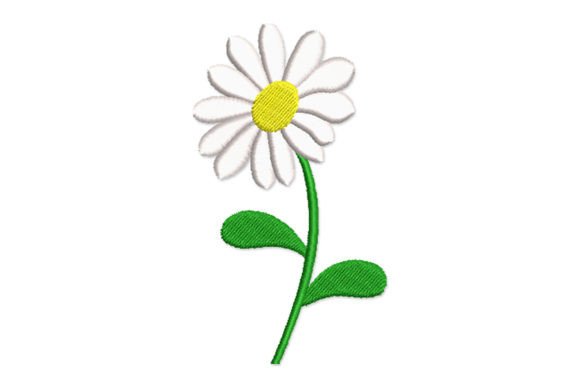
In the world of small business merch and branded goods, the difference between a good product and a great one often comes down to the smallest details. As an experienced embroidery designer who has reviewed thousands of designs for everything from high-end uniforms to Etsy bestsellers, I look at a design file not just as art, but as a production asset. Today, I am reviewing the Daisy Flower design. Based on its description—highlighting exquisite petals, delicate details, and a timeless elegance—I have analyzed how this single floral motif performs when translated from a digital concept to a physical embroidered patch or logo accent.
First Impressions: Visual Personality and Brand Fit
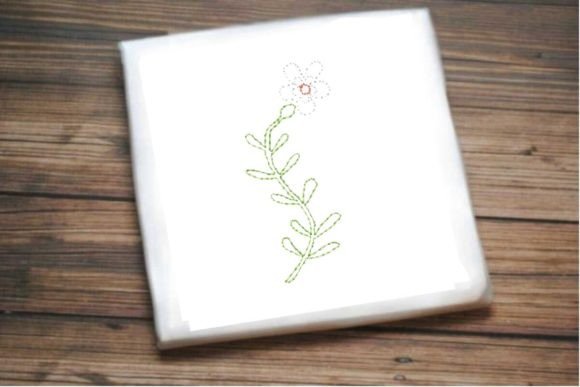
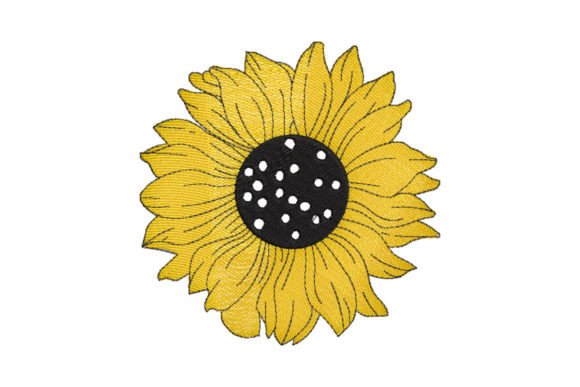
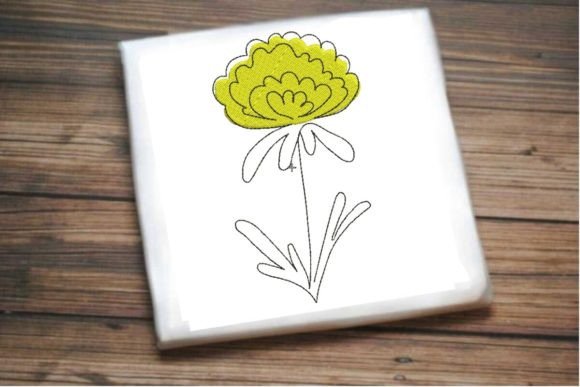
When you first load the Daisy Flower design into your digitizing software, the immediate takeaway is its balance of simplicity and sophistication. The title suggests a classic motif, but the promise of "exquisite petals" indicates that this is not a generic clip-art flower. It feels premium yet approachable. For brands aiming for a handmade aesthetic without looking amateurish, this design hits the sweet spot. It reads as elegant and modern, making it suitable for a wide range of industries.
The visual personality of Daisy Flower is friendly and organic. It avoids the stiffness of rigid geometric logos while maintaining enough structure to be recognizable at a glance. This makes it an excellent choice for businesses that want to convey warmth and quality simultaneously. Whether you are running a boutique florist shop, a cozy café, or a handmade jewelry brand, the daisy serves as a universal symbol of freshness and natural beauty. However, because it is described as having "delicate details," we must consider how those fine lines translate to thread. In my experience, delicate details can sometimes get lost if the stitch density is too low or the fabric texture is too coarse.
Real-World Business Applications
The true test of any machine embroidery design is its versatility in commercial applications. Here is how Daisy Flower performs across various common use cases for small business owners and apparel decorators.
- Embroidered Patches: This design shines as a standalone patch. Because it is a single flower, it creates a clean, focused focal point. It works beautifully on denim jackets, canvas totes, or as a badge on work shirts. The "timeless" nature of the daisy ensures the patch won’t look dated after a season.
- Staff Uniforms and Aprons: For cafes, bakeries, or florists, a subtle floral accent adds a touch of professionalism without being distracting. Placing Daisy Flower on the chest pocket of an apron or the sleeve cuff of a uniform elevates the staff’s appearance. It signals attention to detail to the customer.
- Cap Embroidery: A single daisy centered on the front of a structured cap is a classic look. It offers a softer alternative to traditional sports logos. This is particularly effective for lifestyle brands or creative studios looking for a relaxed, artistic vibe.
- Tote Bag Design: Canvas bags are a staple for market vendors and eco-friendly brands. Daisy Flower provides a perfect size ratio for tote bags, acting as a central graphic that doesn’t overwhelm the fabric. It pairs well with simple text for event merchandise or promotional giveaways.
- Product Packaging Accents: Beyond apparel, this design can be used on woven labels sewn into garments or even printed as a decorative element on packaging inserts. It reinforces brand identity by creating a consistent visual language across all touchpoints.
Strategic Considerations and Limitations
While Daisy Flower is versatile, no design is without its challenges. As a designer, I advise caution in specific scenarios where the "delicate details" mentioned in the product description might struggle.
Small Patch Sizes: If you plan to embroider this design smaller than two inches, the intricate petal details may merge together, resulting in a muddy appearance. For very small applications, such as keychains or tiny shirt tags, a simplified version with fewer stitches would be more effective.
Curved Surfaces and Caps: While caps are a good fit, the curvature can distort fine lines. Ensure your digitizer has accounted for stretch on curved surfaces. If the design includes thin outlines, they may break up on highly curved areas like the front panel of a fitted hat.
High Stitch Density and Fabric Texture: The description mentions "exquisite petals," which implies a certain level of fill stitch. If the stitch density is too high for lightweight fabrics like silk or thin cotton, the fabric may pucker. Conversely, on heavily textured fabrics like thick wool or heavy-duty canvas, the delicate threads might get swallowed by the weave. Always test on your actual production fabric.
Dark Uniforms and Contrast: Floral designs rely heavily on contrast. On dark uniforms, you will need light-colored threads (white, cream, pastel yellow) to make the daisy pop. If your brand palette requires dark threads on dark fabric, the delicate details will disappear entirely.
Impact on Brand Identity and Customer Trust
Using a high-quality digital embroidery file like Daisy Flower directly impacts how customers perceive your brand. Embroidery is a tactile medium; customers can feel the quality of the stitching. A crisp, well-executed daisy suggests that you care about craftsmanship. This builds customer trust and enhances the perceived value of your products.
In the crowded marketplace of Etsy branding and handmade products, visual consistency is key. Using a cohesive set of design assets helps create a memorable brand image. A daisy motif, when executed professionally, communicates reliability and elegance. It tells the buyer that your finished product is worth the investment. Furthermore, it aids in buyer engagement; people are naturally drawn to floral elements, which can increase social media shares and word-of-mouth referrals.
Practical Designer Notes for Production
Before adding Daisy Flower to your production line, follow these essential steps to ensure a flawless result:
- Test in Black and White: Convert the design to monochrome to check the balance of negative space and stitch coverage. This helps identify if the design is too busy or too sparse.
- Check Small Scale Legibility: Zoom out or print the design at 50% scale to see if the delicate details remain distinct. If they blur, simplify the digitizing.
- Review Thread Color Contrast: Choose thread colors that provide strong contrast against your target fabric. Avoid low-contrast combinations that wash out the design.
- Inspect Spacing and Hoop Size: Confirm that the hoop size accommodates the design without unnecessary trimming. Ensure there is adequate spacing between stitches to prevent thread breaks.
- Test on Real Fabric: Never skip the sample run. Embroidery behaves differently on different materials. Test on the exact fabric you will use for production.
- Use Proper Stabilizer: Delicate designs require stable foundations. Use cut-away stabilizers for stretchy fabrics and tear-away for wovens to prevent distortion.
- Create a Printable Mockup: Before committing to bulk production, create a printable mockup for client approval. This allows stakeholders to visualize the final product on the actual item.
- Compare Against Other Assets: Place Daisy Flower beside your other logo variations to ensure it fits harmoniously within your overall brand identity.
- Confirm Commercial Licensing: Most importantly, verify that you have the right to use this embroidery file for commercial purposes. Ensure you own the rights to sell items embroidered with this design.
In conclusion, Daisy Flower is a strong candidate for small business merchandise, offering a blend of elegance and versatility. By paying attention to the practical aspects of digitizing and production, you can leverage this design to create professional, high-value products that resonate with your audience.