Floral Cross Stitch Pattern Vector Review
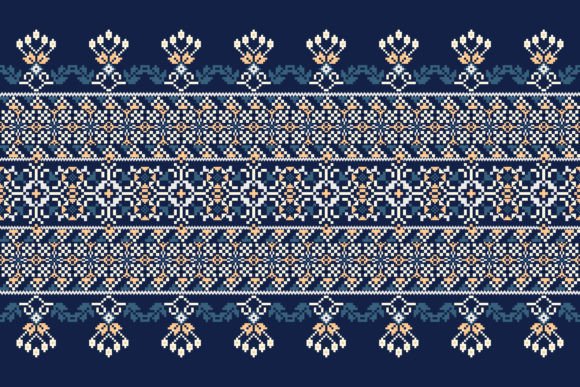
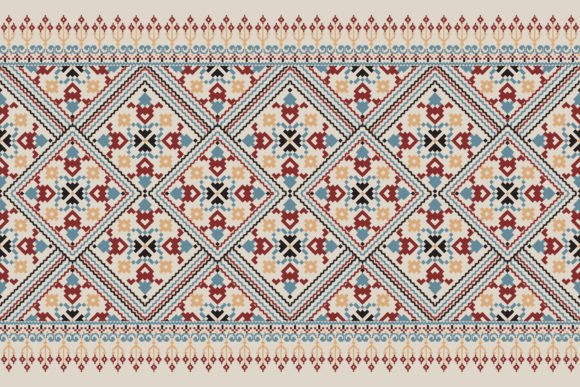
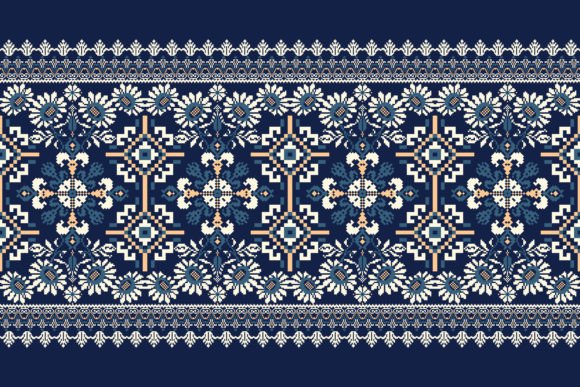
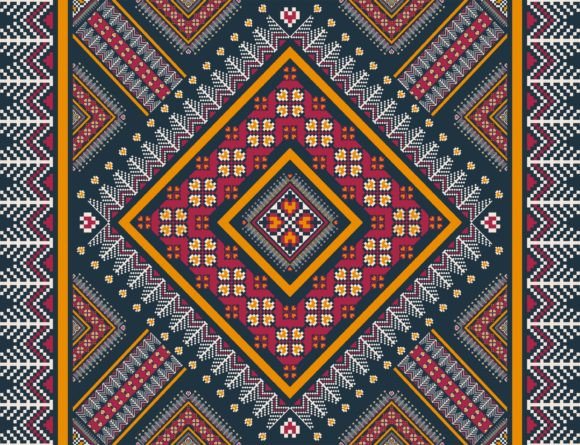
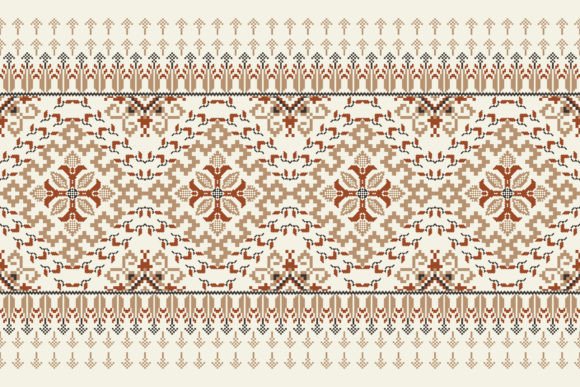
Setting up a booth for a weekend craft fair is equal parts excitement and anxiety. You want your display to stop people in their tracks, but you also need products that are practical to produce and visually cohesive. As an experienced embroidery designer, I look at every new asset with a critical eye: does this design have the "booth presence" to compete with dozens of other handmade items? Today, I am reviewing the Floral Cross Stitch Pattern Vector, a geometric ethnic oriental pattern described as an Aztec-style abstract illustration designed for texture, fabric, clothing, wrapping, and decoration.
This review focuses on how this specific Patterns and Graphics asset translates from a digital file into tangible craft fair product opportunities. We will evaluate its aesthetic appeal, production viability, and potential as a bestseller for Etsy seller boutiques and local market vendors alike.
First Impressions: Bold Geometry Meets Traditional Craft
When I first loaded the Floral Cross Stitch Pattern Vector onto my screen, the immediate takeaway was its strong graphic quality. The description highlights it as a "geometric ethnic oriental pattern" with an "Aztec style abstract" feel. This is not a soft, whimsical floral; it is structured, rhythmic, and bold. For a handmade product intended for a busy market environment, this clarity is crucial. Customers often scan displays from a distance, and designs with high-contrast geometry tend to catch the eye faster than intricate, low-contrast scenes.
The vector nature of the design suggests clean lines that translate well into machine embroidery. It feels modern yet rooted in tradition, striking a balance that appeals to buyers looking for something unique but not overly niche. It avoids the cluttered look of some dense florals, offering instead a sophisticated embroidery file that promises a premium finish. This aesthetic works exceptionally well for small shop product lines aiming for a bohemian-luxe or globally inspired vibe.
Product Applications: Where This Design Shines
The versatility of the Floral Cross Stitch Pattern Vector allows it to shine across multiple categories. Here is how I see it performing on specific commercial embroidery items:
- Tote Bag Design: A large-scale placement on a canvas tote bag can serve as a statement piece. The geometric flow of the pattern can wrap around the sides of the bag, creating a continuous, immersive look. Because the design is abstract, it does not require perfect symmetry, which makes it forgiving during the hoop setup process.
- Apron Embroidery: For kitchen-focused booths, this pattern adds a touch of elegance to standard white aprons. The contrast between the traditional cross-stitch look and the industrial utility of an apron creates a compelling narrative. It elevates a basic item into a finished product that feels gift-worthy.
- Tea Towel Embroidery: Similar to aprons, tea towels benefit from bold patterns. However, care must be taken with scale. If the design is too small, the geometric details may get lost in the weave of the towel. I recommend using this as a border pattern along the hem rather than a central medallion for smaller towels.
- Embroidered Patch: The self-contained nature of many geometric patterns makes them ideal for patches. Whether sewn onto denim jackets or used as accessories for backpacks, the sharp lines of the Aztec-inspired motifs will hold up well to close-up inspection by customers.
- Fabric Pouches and Market Bags: Smaller items like zippered pouches allow for a tighter, more detailed focus. The vector format ensures that even when scaled down, the edges remain crisp, provided the stitch density is managed correctly.
Production Practicality and Visual Appeal
From a production standpoint, the Floral Cross Stitch Pattern Vector offers several advantages. Its geometric structure implies a level of order that can streamline the digitizing or printing process. Unlike organic, free-flowing designs that might require complex shading or color blending, this pattern relies on shape and repetition. This can lead to faster hooping and stitching times, which directly impacts your profit margin at a craft fair.
Photographically, this design is a dream. The high contrast and clear shapes translate beautifully into printable mockup images for online listings. When customers view your Etsy shop or social media pages, the design reads clearly even on mobile screens. This visual clarity drives click-through rates and helps justify a higher price point because the product looks professionally finished.
Furthermore, the repetitive nature of the pattern lends itself well to batch production. Once you have perfected the settings for one size, you can replicate the look across dozens of units with minimal variation. This consistency is key for building brand trust; customers return to booths where the quality feels uniform and reliable.
Careful Use Notes and Potential Pitfalls
While the design has strong potential, there are technical considerations every embroidery designer must address before committing to full production runs. Ignoring these details can result in frustrated customers and ruined inventory.
- Stitch Density and Tiny Details: Although the design is vector-based, ensure that the smallest geometric elements are not so fine that they become muddy when stitched. Check the stitch density closely. If the design includes tiny negative space areas, verify that the fabric tension holds up without puckering. Dense stitch areas on lightweight fabrics can cause distortion, so always test on scrap material first.
- Fabric Texture Interaction: The design is described as suitable for various textures. However, highly textured fabrics, such as heavy linen or bouclé, can obscure the crisp lines of a geometric pattern. For the best results, pair this design with smooth-to-medium weight fabrics like cotton twill, canvas, or poplin. Avoid heavily napped fabrics unless you are testing extensively.
- Color Contrast: The impact of this pattern relies heavily on thread colors. On a dark fabric, you will need bright, saturated threads to maintain visibility. On light fabrics, darker threads provide necessary definition. Always compare thread colors against your chosen fabric under natural lighting conditions. A poor color choice can make a great design look dull.
- Hoop Size Constraints: Confirm the hoop size required for your intended application. If you are placing this on a cap or a curved surface, the design may need to be resized or simplified to accommodate the curve. Flat surfaces like tote bags and aprons are much more forgiving.
- Stabilizer Selection: Using the wrong stabilizer can ruin the sharpness of geometric lines. For woven fabrics, a cut-away stabilizer is often recommended to prevent shifting. For knits, a tear-away or wash-away might suffice depending on the garment's stretch. Proper stabilization ensures the design assets remain crisp and true to the original vector.
Final Verdict for Craft Fair Sellers
The Floral Cross Stitch Pattern Vector is a strong candidate for inclusion in a craft fair lineup. Its blend of ethnic inspiration, geometric precision, and vector clarity gives it a premium feel that stands out in a sea of generic floral designs. It works particularly well on tote bag design applications and home decor items like pillow covers and aprons.
To maximize its success, focus on high-quality base materials and precise execution. Test the design thoroughly, pay attention to stitch density and thread contrast, and create realistic printable mockups to showcase its versatility. By treating this digital embroidery file with professional care, you can transform it into a standout handmade product that drives sales and builds customer loyalty. Remember to confirm commercial licensing terms before selling finished goods, ensuring your business remains protected and profitable.