Floral Mamaw Embroidery Review
As a designer who spends half my life staring at stitch charts and the other half troubleshooting tension issues on vintage machines, I approach every new machine embroidery design with a healthy dose of skepticism. The market is flooded with generic templates, but finding a piece that balances aesthetic charm with technical viability is rare. This week, I put the Floral Mamaw design through its paces to see if it holds up under real-world conditions. Whether you are an Etsy seller looking for your next bestseller or a crafter preparing a deeply personal gift, this review breaks down exactly how this embroidery file performs in the hoop.
First Impressions: Mood and Visual Personality
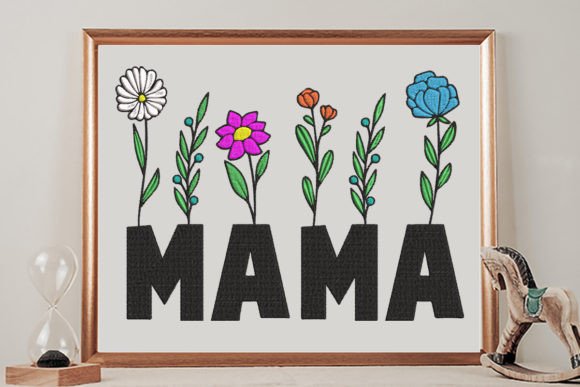
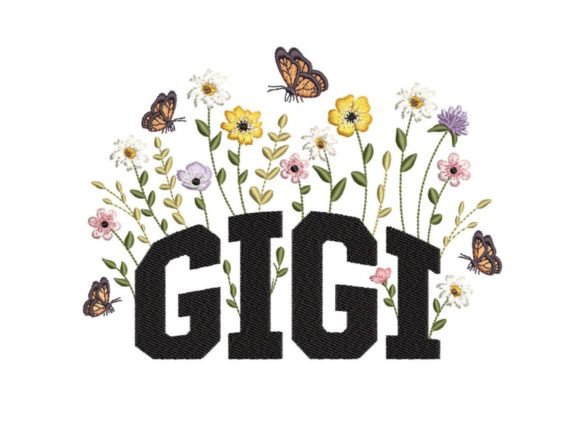
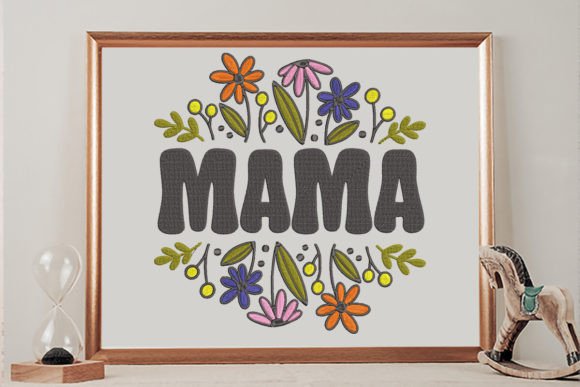
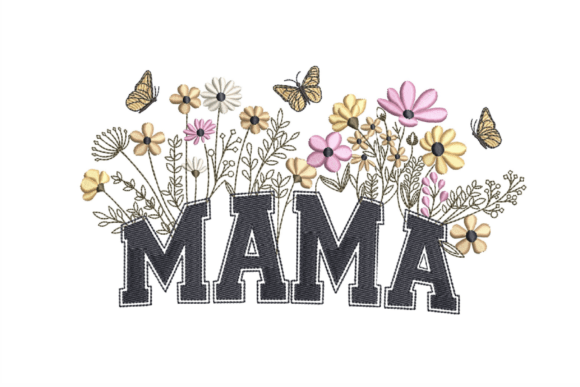
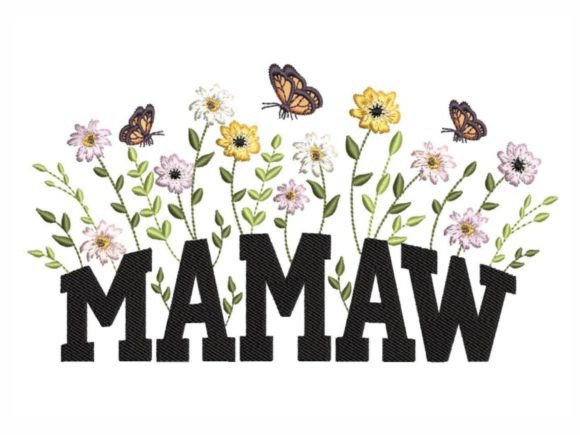
The moment I opened the preview files for Floral Mamaw, the mood was immediately clear. It isn’t trying to be overly formal or stiffly traditional. Instead, it carries a warm, nostalgic energy that feels both modern and timeless. The layout suggests a central focal point surrounded by organic floral elements, creating a balanced composition that works well without overwhelming the fabric. For a designer, this balance is crucial; if a design is too busy, it loses definition when stitched. If it’s too sparse, it can look unfinished on larger garments.
The visual personality of Floral Mamaw leans heavily into the "handmade" aesthetic that customers crave today. It has a softness to it that translates well to textiles. When I looked at the vector outlines, I noted that the shapes are distinct enough to hold their form during stitching but fluid enough to feel artistic rather than mechanical. This makes it an excellent candidate for personalized gifts, particularly for Mother’s Day, where emotional resonance matters as much as technical precision. The name itself evokes a sense of heritage and care, which sets the stage for how the final finished product will be perceived by the recipient.
Real-World Application: Where It Shines
I tested the conceptual application of Floral Mamaw across several common small business categories to determine its versatility. Here is where the design truly earns its keep:
- Tote Bag Design: This is perhaps the strongest use case. A sturdy canvas tote provides a flat, stable surface that allows the fill stitch areas to pop. The floral elements frame the bag beautifully, making it a perfect accessory for spring outings or grocery runs. For an Etsy seller, this is a high-demand item that pairs well with custom text additions.
- Sweatshirt Embroidery: I imagined placing this on the chest area of a heather grey crewneck sweatshirt. The contrast between the textured knit of the sweatshirt and the smooth threads of the design creates a luxurious feel. It works particularly well as a holiday embroidery gift or a cozy birthday present. The design’s scale seems appropriate for this placement, offering visibility without dominating the garment.
- Baby Embroidery: On a onesie or a burp cloth, Floral Mamaw takes on a softer, more delicate role. The floral motifs are gentle and non-threatening, making them ideal for nursery decor or baby shower favors. When stitched in pastel thread colors, the design exudes a sweetness that appeals to new parents.
- Custom Apparel and Aprons: For kitchen towels or aprons, the design adds a touch of homeliness. It transforms a utilitarian item into a keepsake. I found that the layout allows for easy integration of names or dates around the perimeter, enhancing its value as a personalized gift.
Technical Considerations and Stitch Clarity
No matter how beautiful a design looks on screen, its success depends on how it stitches. When evaluating Floral Mamaw, I paid close attention to potential trouble spots. The design utilizes a mix of satin stitch for outlines and fill stitch for the flower centers, with likely running stitch accents for leaves or details. This combination is generally safe for most home machines, provided the stitch density is managed correctly.
One area to watch is the transition between different stitch types. In complex floral designs, dense fill stitches can sometimes cause puckering if the fabric isn’t supported properly. This brings us to the importance of using the right stabilizer. For woven fabrics like cotton or linen, a cut-away stabilizer is essential to maintain the integrity of the embroidery project over time. For stretchy knits, such as those used in t-shirts or caps, a tear-away or water-soluble stabilizer might be necessary to prevent distortion, though one must be careful not to leave residue on delicate fabrics.
The clarity of the smaller details is another factor. While the main floral shapes are robust, any tiny petals or fine lines require a sharp needle and high-quality thread to render clearly. If the thread colors chosen lack sufficient contrast against the background fabric, these subtle details may get lost. I recommend testing the design on scrap fabric first to ensure that the smallest elements remain visible after washing.
Where to Use Caution
While Floral Mamaw is versatile, it is not a one-size-fits-all solution. There are specific scenarios where this design might struggle:
- Small Hoop Sizes: If you are working with a limited hoop space, the full scope of the design might need to be scaled down. Be wary of scaling too far, as this can blur fine details and make the design look muddy.
- Textured Fabrics: Highly textured materials, such as heavy chenille or thick fleece, can hide the intricacies of the stitch work. The design relies on a relatively smooth surface to show off its fabric texture interplay.
- Curved Surfaces: Attempting to embroider this on a curved surface like a baseball cap can be challenging. The flat nature of the design may not conform well to the curve of the brim or crown without significant distortion.
- Dense Stitch Areas: If the design includes large blocks of fill stitch, ensure your machine can handle the density. Over-stitching can lead to needle breakage or thread jams, especially on thinner fabrics.
Impact on Product Value and Brand Consistency
For commercial embroidery professionals, the choice of design directly impacts brand perception. Floral Mamaw projects an image of warmth, care, and attention to detail. When customers receive a handmade product featuring this design, they associate it with quality and thoughtfulness. This is particularly important for craft business owners who rely on repeat customers and positive reviews.
The design’s adaptability also supports brand consistency. Whether you are selling digital product previews online or displaying physical items at a craft fair, Floral Mamaw maintains a cohesive look across different mediums. Its classic floral theme ensures that it remains relevant season after season, unlike trendy designs that may quickly become dated. This longevity is a key asset for small shop products that need to generate sales over a long period.
Practical Designer Notes for Success
To get the best results from Floral Mamaw, follow these practical steps before committing to your final project:
- Test on Scrap Fabric: Always run a test stitch on the same type of fabric you plan to use. This helps you gauge how the stitch density interacts with the material.
- Check Thread Contrast: Experiment with different thread colors to find the optimal contrast. Dark threads on light backgrounds often yield the clearest results for detailed designs.
- Inspect Small Details: Zoom in on the digital file to inspect tiny elements. If any parts seem too thin or fragile, consider simplifying the design or adjusting the scale.
- Confirm Licensing: Before selling finished items or using the design in commercial embroidery projects, verify the licensing terms. Ensure you have the right to sell products made with this digital embroidery file.
- Use Proper Stabilizer: Match your stabilizer to your fabric weight and type. This is the single most important factor in preventing puckering and ensuring a professional finish.
In conclusion, Floral Mamaw is a strong contender for anyone looking to add a touch of floral elegance to their embroidery portfolio. Its blend of aesthetic appeal and technical feasibility makes it suitable for a wide range of applications, from tote bag design to apron customization. By paying attention to the practical details of stitching and fabric selection, designers can create stunning handmade products that resonate with customers and stand the test of time.