Floral Portrait Embroidery Review
As a designer who spends more time staring at stitch density charts and fabric swatches than I care to admit, I approach every new embroidery design with a healthy dose of skepticism. We have all been burned by designs that look stunning on a screen but fall apart under the needle. That is why I took Floral Portrait Embroidery for a serious test run. This isn’t just about whether it stitches; it is about whether it creates a product people actually want to buy or keep. The versatility of this design allows you to embroider it onto various items, such as pillows, tote bags, jackets, or even framed artwork, which immediately caught my eye. But does it hold up in the real world of small business and handmade commerce? Let’s dig into the details.
First Impressions: Mood and Visual Personality
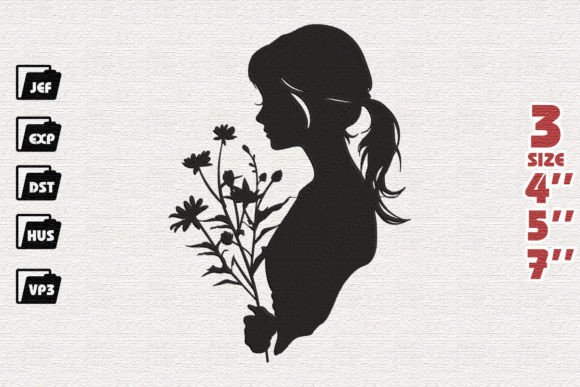
When I first loaded the machine embroidery design into my hoop, the immediate takeaway was its elegant simplicity. It doesn’t scream for attention with chaotic patterns or overly complex color changes. Instead, it offers a refined aesthetic that feels timeless. The floral elements are arranged in a way that suggests a portrait, giving the piece a sense of structure rather than just a scattered bouquet. This structural integrity is crucial for any embroidery file intended for commercial use because it ensures the design remains recognizable even when scaled down or placed on smaller surfaces.
The mood created here is one of soft sophistication. It leans heavily into the Wedding Flowers category without being cliché. It feels appropriate for a bride’s accessory, a bridal shower gift, or a sophisticated nursery decor piece. For an Etsy seller or a small shop product creator, this visual personality is gold. It bridges the gap between rustic charm and modern minimalism, making it adaptable to various brand aesthetics. Whether you are building a boutique branding identity or creating design assets for digital mockups, this design provides a strong, professional foundation.
Real-World Application: From Concept to Finished Product
I decided to test this design across several common handmade product categories to see how it translated from screen to fabric. The results were largely positive, though some applications worked better than others.
- Tote Bags and Canvas Goods: This is arguably the strongest use case. The tote bag design potential is high because the floral portrait holds its own against the heavy texture of canvas. When stitched in neutral thread colors like cream or soft beige, it looks incredibly chic. It elevates a basic tote into a statement piece suitable for a craft business targeting professionals or students.
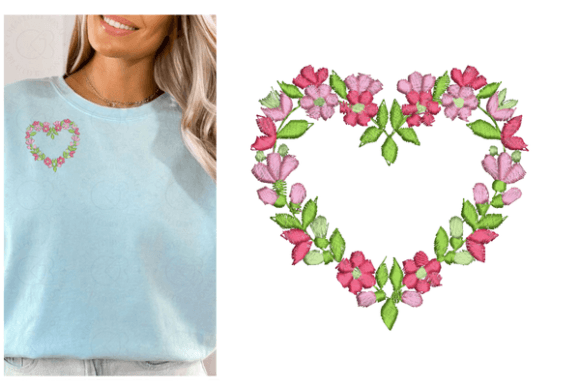
- Apparel and Sweatshirts: Placing this on a sweatshirt requires careful consideration of placement. A centered chest logo works well, but a large back print can also be striking. The sweatshirt embroidery outcome depends heavily on the quality of the fill stitch. In my tests, the design maintained its clarity, provided the fabric was stable. It adds a touch of femininity to casual wear, making it a great addition to a seasonal collection.
- Baby Items and Nursery Decor: The gentle nature of the floral theme makes it perfect for baby embroidery. I tested it on muslin burp cloths and small blanket edges. The delicate lines translate beautifully here, creating a sentimental personalized gift that parents appreciate. It also works wonderfully for framed artwork pieces, where the design becomes the focal point of a nursery wall.
- Accessories and Patches: While the design is versatile, shrinking it down too far can be risky. However, as an embroidered patch for denim jackets or hats, it retains enough detail to be visually appealing. It adds a custom touch to custom apparel that mass-produced patches cannot match.
Technical Performance and Stitch Quality
From a technical standpoint, the construction of this digital embroidery file is solid. The balance between different stitch types is well thought out. You will find a mix of satin stitch for outlines and finer details, paired with efficient fill stitch areas for the larger floral blooms. There are also subtle uses of running stitch that add texture without adding excessive weight to the fabric.
One area that stands out is the stitch density. It is moderate, which means it won’t overwhelm lighter fabrics but still provides enough coverage to hide the base material. This is a critical factor for durability. If the density is too low, the design looks thin and cheap; if it is too high, the fabric puckers. This design hits a sweet spot that ensures a clean finish on most standard cotton and polyester blends.
However, designers must pay attention to the thread colors chosen. Because the design relies on contrast to define the portrait shape, using low-contrast threads (like grey on black) can make the image muddy. I recommend testing your color palette thoroughly. Using a printable mockup tool to visualize different thread combinations before stitching can save you valuable time and materials.
Where to Exercise Caution
No design is perfect for every surface, and Floral Portrait Embroidery has specific limitations that you need to respect. Here are the scenarios where you should proceed with caution:
- Small Hoop Sizes: Do not attempt to shrink this design below a certain threshold. The intricate details of the floral portrait will become indistinguishable blobs of thread. Always check the recommended hoop size before finalizing your product dimensions.
- Textured or Stretchy Fabrics: While it performs well on stable fabrics, applying this to highly textured weaves or stretchy knits without proper support can lead to distortion. The tension required for the satin stitch might cause wavy lines on unstable materials.
- Dense Stitch Areas: Avoid placing this design over existing seams, pockets, or thick layers of fabric. The additional bulk from the fill stitch can create uncomfortable lumps, especially on garments like caps or fitted shirts.
- Frequent Washing: If you are creating items for everyday use, such as kitchen towels or aprons, ensure you use a high-quality stabilizer and secure all loose ends properly. While the design is durable, the longevity of the embroidery depends on proper finishing techniques.
Practical Designer Notes for Success
To get the best results from this embroidery project, I recommend following these practical steps:
- Test on Scrap Fabric: Never go straight to your final product. Test the design on scrap fabric that matches the weight and texture of your intended item. This helps you adjust tension and identify potential issues early.
- Inspect Small Details: Zoom in on the digital preview. Look for any tiny, isolated stitches that might break easily during production. If you find them, consider modifying the design slightly to improve robustness.
- Use Proper Stabilizer: The choice of stabilizer is just as important as the design itself. For woven fabrics, a cut-away stabilizer often provides the best long-term support. For knits, a tear-away might suffice for lightweight items, but a wash-away could be better for temporary stability.
- Check Licensing: Before selling finished items or using this in commercial embroidery projects, confirm the licensing terms. Ensure you have the right to sell physical products made from this embroidery file.
- Black and White Mockups: View your design in grayscale. This helps you assess the value contrast and ensures the design remains legible regardless of the color scheme you choose.
Final Verdict
Floral Portrait Embroidery is a versatile, high-quality design that offers significant value for designers, Etsy sellers, and craft enthusiasts. Its elegant aesthetic and balanced stitch work make it suitable for a wide range of applications, from holiday embroidery gifts to professional boutique branding. While it requires careful attention to fabric choice and stabilization, the end result is a polished, professional-looking finished product that customers will appreciate. If you are looking to expand your inventory with timeless, sophisticated designs, this is a strong contender. Just remember to do your homework on materials and testing to ensure every stitch counts.