Cross-Stitch Pattern 17 Design Review
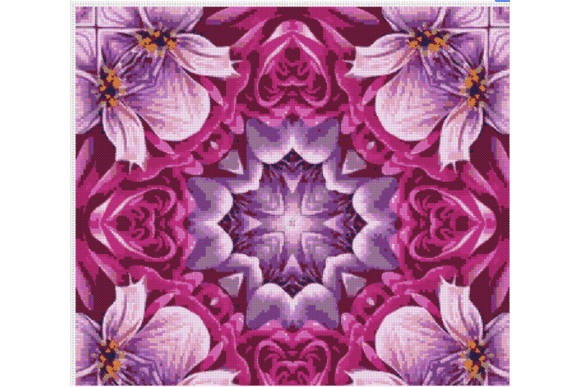
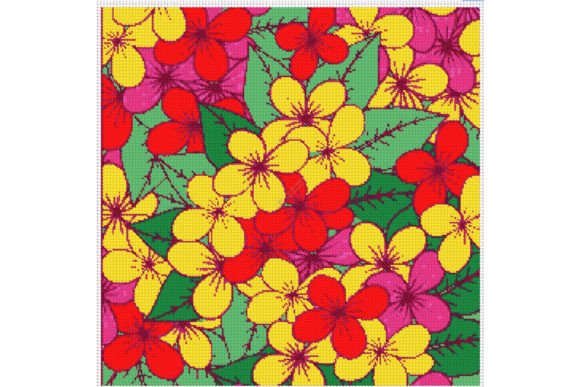
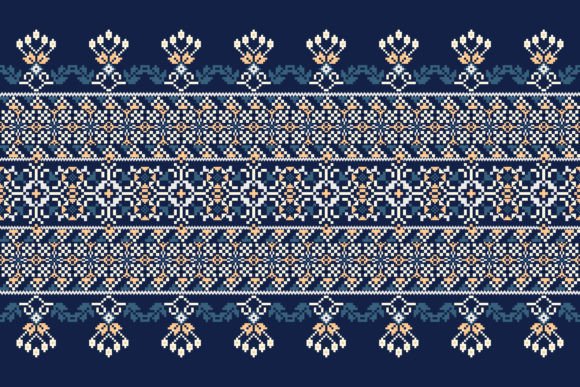
As an embroidery designer who has spent years translating digital graphics into tangible, stitched assets for small businesses, I look at every new file with a critical eye. We aren't just looking for pretty pictures; we are looking for viability. Will this hold up on a curved cap? Will it read clearly on a tote bag? Does it elevate the brand or clutter the garment? Today, I am reviewing Cross-Stitch Pattern 17, a design listed under Cross Stitch Patterns and Graphics that promises a captivating journey through intricate stitches and vibrant blooms.
This review is specifically tailored for small business owners, embroidery shops, apparel decorators, Etsy sellers, and product designers who need to know if this embroidery file is worth their time and thread costs. Let’s break down how Cross-Stitch Pattern 17 performs in real-world commercial applications.
First Impressions: Visual Personality and Brand Fit
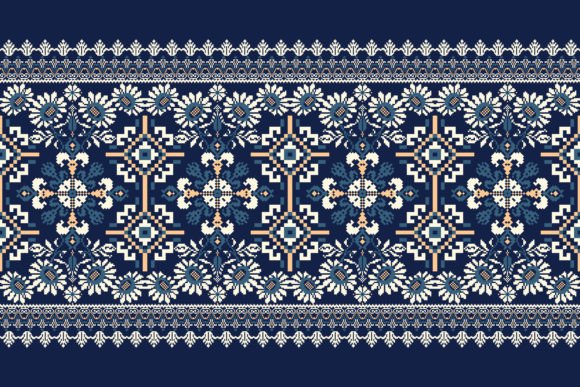
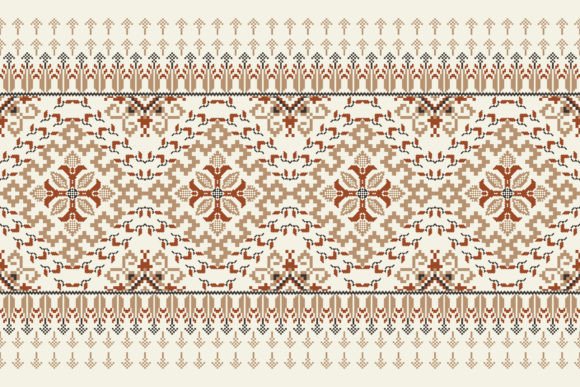
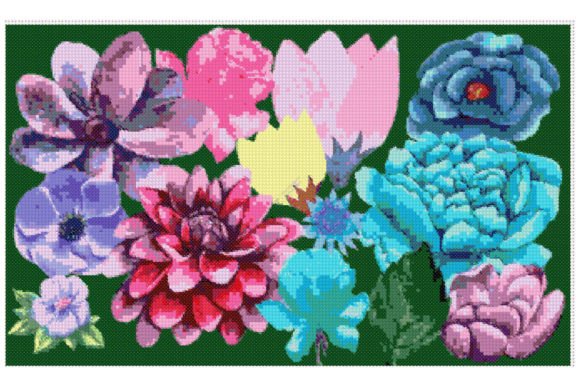
The description of Cross-Stitch Pattern 17 invites you into a world where intricate stitches weave together to form a tapestry of vibrant blooms. From a design perspective, this immediately suggests a aesthetic that is both classic and contemporary. The "cross-stitch" style inherently carries a connotation of handmade quality, warmth, and artisanal craftsmanship. For brands aiming to project a rustic, friendly, or premium handmade image, this visual personality is a strong asset.
Unlike rigid geometric vector art, the simulated cross-stitch texture adds depth and organic movement. This makes it particularly effective for businesses in the lifestyle, wellness, bakery, florist, or boutique sectors. It feels less like a corporate logo and more like a cherished artifact. However, because it relies on "intricate stitches," we must consider legibility. A design that looks beautiful as a full-size graphic may lose its impact when reduced to a small patch size. The key here is balance: does the vibrancy of the blooms translate well through thread, or does it become muddy?
Real-World Business Applications
Let’s explore where Cross-Stitch Pattern 17 shines in the realm of small business merch and branded goods. This design is versatile enough to serve multiple functions across your product line.
- Embroidered Patches: One of the most popular uses for this type of design is as a detachable patch. Whether sewn onto denim jackets, canvas bags, or felt boards, the intricate nature of Cross-Stitch Pattern 17 allows it to stand out as a focal point. It works exceptionally well for custom apparel where customers want to personalize their gear with a touch of elegance.
- Staff Uniforms and Aprons: For cafes, bakeries, or floral studios, adding a subtle chest logo or a pocket accent can unify staff appearance while maintaining a cozy, approachable vibe. The cross-stitch motif softens the professionalism of uniforms, making employees feel part of a creative community rather than just a service team. Apron embroidery featuring this pattern can turn a functional item into a selling point.
- Cap Embroidery: Curved surfaces present a challenge for detailed designs. However, if Cross-Stitch Pattern 17 is simplified slightly or scaled appropriately, it can work beautifully on the front panel of baseball caps or beanies. It adds a trendy, bohemian flair that appeals to younger demographics and craft enthusiasts.
- Tote Bag Design: Canvas totes are a staple for eco-conscious brands. The textured look of cross-stitch contrasts nicely with the rough weave of canvas, creating a tactile experience for the customer. This is ideal for tote bag design projects where the merchandise itself acts as a walking advertisement for your brand identity.
- Product Packaging Accents: Beyond clothing, this design can be applied to hang tags, gift boxes, or product labels. A small embroidered label inside a garment or on a box lid signals high quality and attention to detail, directly influencing customer trust and perceived value.
Where to Use Caution: Limitations and Risks
No design is perfect for every application. As a professional, I urge you to be mindful of where Cross-Stitch Pattern 17 might struggle. The very intricacy that gives it character can also be its downfall if not managed correctly.
First, consider stitch density. Intricate patterns often require higher stitch counts, which can make the fabric stiff or heavy. On delicate fabrics, this might cause puckering. Always test on the actual fabric you intend to use. Second, be wary of using this design for tiny lettering or extremely small patches. If the individual "stitches" (or simulated pixels) become too small, they will merge into an indistinguishable blob. For items that need frequent washing, such as work shirts or kitchen aprons, ensure the design is robust enough to withstand friction without fraying or losing definition.
Additionally, dark uniforms or heavily textured fabrics can obscure the details of a light-colored cross-stitch design. Contrast is king in embroidery. If your base material is dark, you will need bright, contrasting thread colors to make the blooms pop. Conversely, on light fabrics, dark threads might appear too harsh. Evaluate the thread colors carefully against your specific inventory.
Impact on Brand Identity and Customer Engagement
In today’s market, authenticity sells. Using a design like Cross-Stitch Pattern 17 communicates that your brand values craftsmanship and tradition. It aligns with the growing consumer desire for handmade products and unique, non-mass-produced items. When a customer sees this level of detail on a finished product, it enhances the unboxing experience and encourages social media sharing. This visual consistency helps build a recognizable brand identity that stands out in crowded marketplaces like Etsy or local craft fairs.
Furthermore, offering custom embroidery with such a distinct style can increase engagement. Customers are more likely to purchase a personalized item if the design feels special and tailored. It transforms a generic commodity into a keepsake, boosting buyer engagement and loyalty.
Practical Designer Notes for Production
Before you commit to a large production run, follow these essential steps from one designer to another:
- Test in Black and White: Convert the design to monochrome to check its structural integrity. If it loses meaning without color, it may rely too heavily on gradients that don’t exist in thread.
- Check Small Patch Size: Digitize or stitch a miniature version. Ensure the details remain crisp and do not bleed together.
- Review Thread Color Contrast: Select threads that offer sufficient contrast against your target fabric. Vibrant blooms need vibrant threads to maintain their "captivating" quality.
- Inspect Spacing and Hoop Size: Confirm that the hoop size required fits your standard embroidery machines. Tight spacing can lead to needle breaks or thread tension issues.
- Test on Real Fabric: Never guess. Stitch the design on the exact fabric type you plan to sell. Check for puckering, stabilizer visibility, and overall drape.
- Use Proper Stabilizer: Intricate designs often require cut-away stabilizers to prevent distortion during stitching and subsequent wear.
- Create a Printable Mockup: Before producing physical samples, create a high-quality printable mockup for client approval or marketing materials. This saves time and resources.
- Confirm Commercial Licensing: Most importantly, verify that you have the right to use Cross-Stitch Pattern 17 for commercial purposes. Check the license terms provided by the creator to avoid legal issues.
In conclusion, Cross-Stitch Pattern 17 offers a compelling option for businesses seeking to add a touch of artisanal charm to their merchandise. By understanding its strengths in commercial embroidery and respecting its limitations regarding scale and fabric, you can leverage this digital embroidery file to create memorable, high-value products that resonate with your audience. Just remember to always test before you invest.