Floral Circle Border Review
As a designer who spends half my life staring at stitch charts and the other half troubleshooting machine jams, I don’t just look at an embroidery design; I look at its potential. When Floral Circle Border landed on my desk for review, my first thought wasn’t about the pretty flowers—it was about placement. How does this frame behave when it hits the curve of a cap? Does it hold up when stitched onto a heavy cotton tote? Can it survive the wash cycle without losing its charm? After putting this design through its paces in several real-world scenarios, from custom apparel to delicate baby items, I have some honest thoughts on where it shines and where you might want to proceed with caution.
The First Impression: Mood and Layout
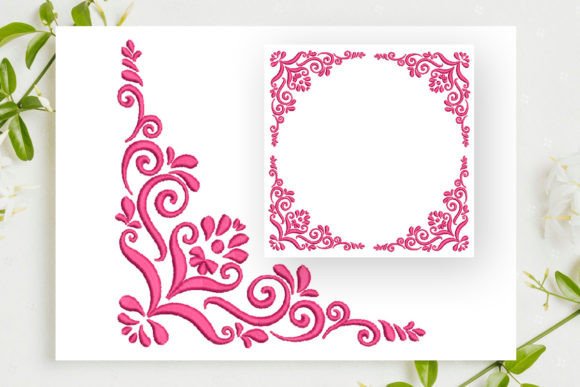
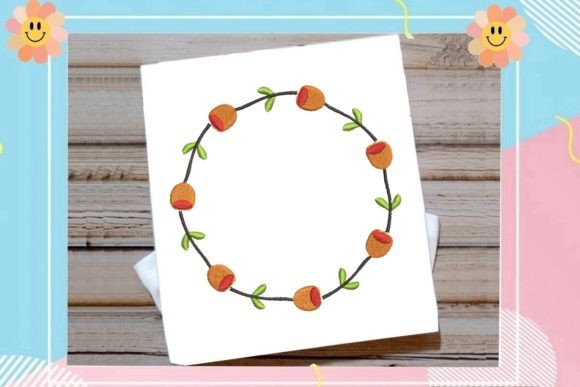
The moment you open the file, the visual personality of Floral Circle Border is clear. It isn’t trying to be loud or aggressive. Instead, it offers a soft, organic elegance that feels right at home in the world of handmade goods. The circular shape provides a natural focal point, drawing the eye inward while the floral elements add a layer of texture and depth. For an embroidery project meant to convey warmth, nostalgia, or gentle beauty, this design hits the mark immediately.
The layout is balanced, which is crucial for a border design. If the flowers were too dense on one side, the design would feel lopsided once stitched. Here, the distribution of the petals and leaves creates a harmonious rhythm. It feels like a finished product ready to be slapped on a tote bag design or centered on a nursery pillow without needing much additional editing. However, as any seasoned Etsy seller knows, "ready" doesn't always mean "perfect for every fabric."
Real-World Application: Where It Fits Best
I tested Floral Circle Border across a variety of mediums because context is everything in machine embroidery design. The results were telling.
- Custom Apparel and Sweatshirts: This design excels on structured garments. On a crewneck sweatshirt, placed centrally on the chest, it creates a boutique-quality look. The circle acts as a badge-like element, which is very popular in current fashion trends. It works particularly well as part of a sweatshirt embroidery collection where you want a standalone statement piece.
- Tote Bags and Canvas Goods: For the craft business owner, this is a strong contender. Stamped on a natural canvas tote, the floral details pop against the neutral background. It adds value to what could otherwise be a plain accessory, turning it into a personalized gift that feels curated and thoughtful.
- Baby Items and Nursery Decor: The softness of the floral theme makes it ideal for baby embroidery. Whether it’s on a muslin blanket, a bib, or a wall hanging, the design conveys tenderness. It’s not overly intricate in a way that would overwhelm a small item, making it perfect for handmade product lines targeting new parents.
- Holiday Embroidery: While not explicitly seasonal, the floral motif can easily be adapted for spring holidays like Easter or Mother’s Day by swapping out thread colors. It fits naturally into a lineup of holiday embroidery gifts, such as aprons or kitchen towels.
Technical Performance and Stitch Quality
When evaluating an embroidery file, we have to talk about stitch density and clarity. In most areas, Floral Circle Border handles fill stitch beautifully, creating smooth transitions between petal shapes. The satin stitch used for outlines appears clean, provided your machine is properly tensioned.
However, the design relies heavily on fine detail to sell its aesthetic. This brings us to a critical consideration: stitch density. If you are using a lower-end machine or thinner threads, some of the smaller floral centers might merge together, losing definition. Always check the stitch density in your software before committing to a large production run. A quick test on scrap fabric will reveal if the details remain distinct or if they become a muddy blob after stitching.
Another technical note involves the transition between the running stitch accents and the heavier fill areas. In some spots, the jump stitches might be visible if you don’t trim them carefully. For a professional finish, especially on commercial embroidery projects where presentation is key, plan your trimming strategy accordingly.
Where to Use It Carefully
No design is universal, and Floral Circle Border has specific limitations that designers should respect.
- Small Hoop Sizes: If you are working with a 4x4 hoop, this design might push the limits of detail resolution. The smaller the area, the more the eye scrutinizes imperfections. Reserve this for larger hoops where the spacing allows the flowers to breathe.
- Textured and Stretchy Fabrics: Avoid placing this on highly textured fabrics like boucle wool or thin, stretchy knits without proper stabilization. The circular shape can distort on stretchy materials if the stabilizer isn’t robust enough. A tear-away stabilizer might not provide the support needed for the detailed floral elements, leading to puckering.
- Dark Fabric: On dark backgrounds, the design requires high-contrast thread colors to maintain legibility. If the threads are too close in tone to the fabric, the embroidery project will lose its impact. Test light-on-dark combinations thoroughly.
- Curved Surfaces: While it looks great flat, applying this to a curved surface like a baseball cap can be tricky. The circle may appear oval or distorted depending on the angle. For embroidered patch applications or caps, consider how the curvature affects the geometric integrity of the circle.
Impact on Brand and Customer Trust
For small shop product creators, the quality of your design directly influences customer trust. A crisp, well-executed Floral Circle Border signals professionalism. Buyers associate clean stitching with durability and care. Conversely, a poorly executed version can make even a high-quality garment feel cheap.
This design also enhances brand consistency. Because the style is timeless and versatile, it can serve as a signature element across different products—from kitchen towels to pillow covers. Using the same design motif creates a cohesive brand identity that customers recognize instantly. It’s a smart move for digital product sellers who offer mockups, as the design translates well to visual previews, helping buyers imagine the final result.
Practical Designer Notes for Success
Before you upload this to your machine or list it in your store, follow these best practices:
- Test on Scrap Fabric: Never skip this step. Check how the thread colors interact with your chosen fabric. Look for any gaps in coverage or excessive thread breaks.
- Check Hoop Size: Ensure your hoop accommodates the design with a comfortable margin. Clipping edges during stitching is a nightmare you don’t want to face.
- Inspect Small Details: Zoom in on the digital file. Are there tiny isolated stitches that might get lost? Adjusting these manually can save hours of post-production cleanup.
- Black and White Mockup: Convert your design to black and white in your editing software. This helps you see the true balance of negative space versus filled areas, independent of color distractions.
- Confirm Licensing: If you plan to sell finished items, verify the license terms for this digital embroidery file. Some designs allow commercial use, while others are strictly for personal projects. Protect your business by staying compliant.
- Use Proper Stabilizer: Match the stabilizer to the fabric weight. Heavy-duty cut-away stabilizers are often safer for durable custom apparel, while lightweight tear-away may suffice for temporary displays.
In conclusion, Floral Circle Border is a versatile, aesthetically pleasing addition to any designer’s library. It offers a blend of simplicity and detail that appeals to a broad audience. By understanding its strengths and respecting its limitations, you can create stunning finished products that stand out in a crowded market. Whether you’re a hobbyist making a gift or an entrepreneur scaling your craft business, this design delivers on both beauty and functionality—provided you do your homework before the needle starts moving.