Floral Ornament Corner Border Review
As an embroidery designer who spends weekends navigating the chaos of craft fairs and managing an online handmade shop, I have learned that not every design is created equal. Some designs look beautiful on a screen but fail to capture attention in person. Others are technically sound but lack the "wow" factor needed to stop a browser in their tracks. Today, I am reviewing the Floral Ornament Corner Border, a machine embroidery design that promises to be a versatile addition to any crafter’s library. My goal here is to evaluate this piece from a commercial standpoint: Will it sell? Is it practical for batch production? And does it elevate the perceived value of the finished product?
First Impressions and Aesthetic Appeal
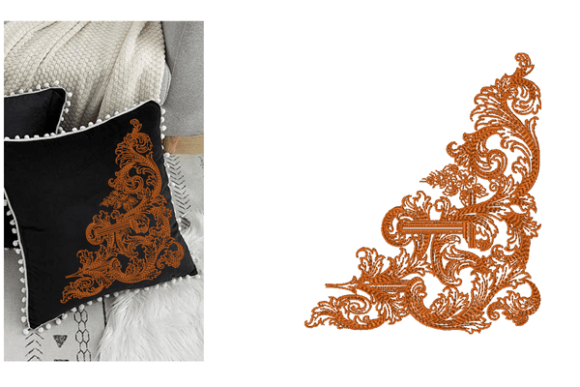
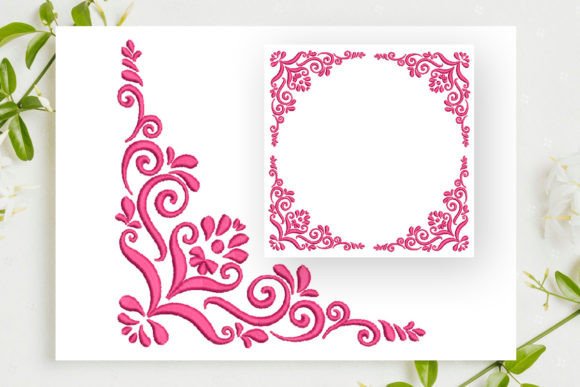
The moment you view the Floral Ornament Corner Border, it strikes me as elegant and timeless. The title suggests a decorative floral frame, which immediately brings to mind farmhouse chic, vintage romance, or perhaps a touch of modern botanical minimalism depending on your thread choices. In the world of handmade goods, corner borders are incredibly strategic. They provide structure without overwhelming the canvas, allowing the product itself—whether it is a linen tea towel or a cotton tote bag—to remain the hero.
This design feels premium. It is not loud or overly busy; instead, it offers a refined accent that suggests quality craftsmanship. For a booth display, this subtlety works in your favor. Customers often gravitate toward items that look sophisticated rather than cluttered. The floral nature of the ornament adds a soft, inviting element that appeals to a wide demographic, from young brides looking for wedding decor to homeowners seeking kitchen accents.
Product Versatility for Craft Fair Sellers
When preparing for a weekend market, I always ask myself: What can I make quickly that will appeal to multiple buyer types? The Floral Ornament Corner Border excels in versatility. Here is how I see it performing across various crafter product categories:
- Tote Bags and Market Totes: Stitching this border on the corners of a natural canvas tote bag creates an instant boutique feel. It transforms a plain accessory into a gift-worthy item. The design acts as a subtle branding space if you add a small logo in the center, keeping the aesthetic clean.
- Kitchen Linens: This is perhaps the strongest sales category. On tea towel embroidery projects, the corner border frames the fabric beautifully. Whether paired with a simple monogram in the center or left alone as a decorative accent, it sells well to buyers looking for housewarming gifts or holiday presents.
- Aprons and Smocks: For apron embroidery, placing these floral ornaments at the top corners near the neck strap adds a touch of elegance. It elevates a utilitarian item into something special, justifying a higher price point at your booth.
- Pillow Covers and Home Decor: As mentioned in the description, this design is perfect for wall art and pillowcases. A set of two pillow shams featuring matching corner borders looks cohesive and high-end. It also works wonderfully as standalone framed embroidery, appealing to customers who want ready-to-hang art.
- Accessories and Pouches: On smaller items like fabric pouches, cosmetic bags, or even embroidered patches, the corner border serves as a delicate detail. It proves that you pay attention to the finishing touches, which builds trust with your customer base.
Production Practicality and Batch Efficiency
For the Etsy seller or the small shop product owner, time is money. One of the biggest advantages of using a corner design like this is its efficiency. Unlike complex central medallions that require precise alignment and extensive hooping adjustments, corner designs are forgiving. You can set up your hoop once and stitch multiple items in rapid succession.
This repeatability makes it ideal for batch production. If you are making twenty aprons for a craft fair, the consistency of the corner placement ensures a professional look across all units. Furthermore, because the design is contained within the corners, it photographs exceptionally well for your printable mockup listings. The eye is drawn naturally to the edges, creating a balanced composition that looks great in flat-lay photos or on models.
However, designers must consider the stitch density. While floral designs are generally light, some ornamental borders can pack stitches tightly in certain areas. Ensure your stabilizer choice matches the fabric weight. For lightweight linens, a cut-away stabilizer might be necessary to prevent puckering, whereas woven cottons might handle a tear-away better. Always test on scrap fabric first to confirm that the hoop size accommodates the full width of your product edge.
Visual Impact and Customer Engagement
In a physical retail environment, visual appeal drives impulse buys. The Floral Ornament Corner Border catches the eye because it implies completion. A garment or home good with a finished, decorated edge looks more polished than one with raw hems or simple stitching. When a customer picks up a tote bag with these elegant corners, they perceive higher value. It signals that the maker put thought into the details.
This perception of quality supports brand consistency. If you use similar floral motifs across your product line—from embroidered patches to kitchen towels—you create a recognizable aesthetic. Buyers return to shops that have a distinct style. This design helps establish that identity without being so bold that it limits future collections.
Technical Considerations for Embroidery Designers
Before committing to mass production, there are several technical checks every commercial embroidery professional should perform:
- Fabric Texture and Contrast: Floral designs rely on thread definition. Ensure your thread colors contrast sufficiently with the fabric. On dark fabrics, lighter threads may get lost unless you use a dense underlay. On textured fabrics like heavy denim or waffle-weave towels, fine details in the flower centers may not render clearly.
- Detail Clarity: Inspect the design for tiny details that might clump together. If the flowers are very small, they may lose clarity when stitched at a reduced scale. If you plan to offer this as a digital embroidery file for others, ensure the sizing instructions are clear.
- Stabilizer Selection: Using the wrong stabilizer is the number one cause of failed embroidery. For stretchy knits used in caps or t-shirts, a water-soluble topping can help maintain stitch sharpness. For stable wovens, a standard fusible backing usually suffices.
- Commercial Licensing: If you intend to sell finished goods, verify the licensing terms of the embroidery file. Some designs are for personal use only. Ensure you have the right to produce and sell items made with the Floral Ornament Corner Border.
Final Verdict
The Floral Ornament Corner Border is a strong contender for any serious embroidery business. It balances aesthetic charm with production practicality. It is easy to photograph, simple to execute in bulk, and appeals to a broad range of customers looking for elegant, handmade gifts. Whether you are decorating wedding decor, creating unique gifted handmade items, or expanding your Etsy listings, this design adds a layer of sophistication that pays off.
My advice is to start with a few key products—perhaps a set of tea towels and a couple of tote bags—and see how the market responds. Pay close attention to how the machine embroidery design interacts with different fabrics. With proper execution, this corner border can become a staple in your creative arsenal, helping you stand out at craft fairs and online alike.