Flower Bouquet Embroidery Review
As an embroidery designer who spends countless hours testing digital files before they hit the shop floor, I approach every new design with a mix of excitement and skepticism. We are always looking for that perfect balance between aesthetic appeal and technical reliability. Recently, I had the chance to put the Flower Bouquet embroidery design through its paces. My goal was simple: determine if this file is ready for real customer orders in a personalized gift business.
The product description promises a stunning floral bouquet that adds beauty and elegance to clothing, towels, and bedding sets. But does it deliver on that promise when stitched out? After reviewing the embroidery file and stitching several test samples, here is my honest assessment for Etsy sellers, small business owners, and handmade crafters.
First Impressions: Mood and Visual Appeal
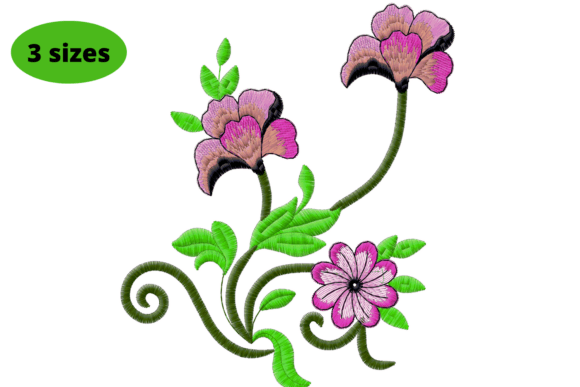
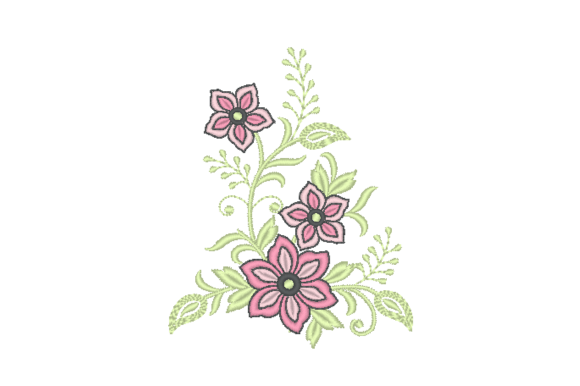
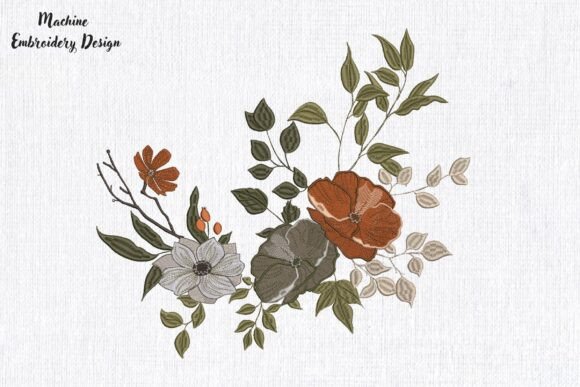
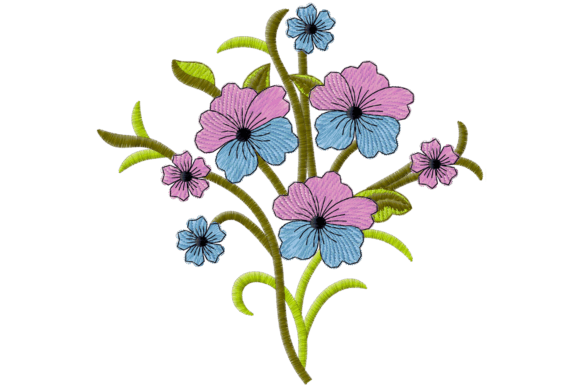
When I first opened the design software, the Flower Bouquet immediately caught my eye. It strikes a delicate balance between romantic and classic. The arrangement feels natural rather than rigid, which is crucial for designs intended for home decor or apparel. It doesn’t scream "loud and modern"; instead, it whispers "timeless elegance."
This mood makes it incredibly versatile. For a personalized gift market, emotional connection is everything. This design evokes feelings of warmth, care, and celebration. Whether you are creating items for a newborn baby shower or a wedding anniversary, the bouquet motif carries positive connotations without being overly specific to one holiday. It feels sweet enough for a nursery but sophisticated enough for a master bedroom pillow cover.
Best Use Cases for Your Product Line
Based on my testing, the Flower Bouquet design shines brightest on specific product categories. Here is where I see the highest potential for sales and customer satisfaction:
- Baby Embroidery Projects: This is perhaps the strongest use case. Stitched onto a white muslin swaddle or a soft cotton blanket, the flowers provide a gentle, gender-neutral (or easily gender-specific via thread choice) aesthetic. Parents love seeing their child’s name surrounded by such delicate imagery.
- Kitchen Towels and Aprons: A bouquet on a linen kitchen towel adds a touch of farmhouse charm. It transforms a utilitarian item into a decorative piece. This is a high-volume seller for craft fairs and online shops.
- Wedding Keepsakes: Imagine a set of embroidered towels for the bridal party or a custom pillow cover for the newlyweds. The elegance of the bouquet fits perfectly into wedding themes that favor botanical elements.
- Nursery Decor: Beyond blankets, this design works beautifully on framed fabric art or as part of a larger wall hanging. The detail level holds up well when scaled appropriately.
- Tote Bags and Custom Apparel: For handmade products like canvas totes, the bouquet adds a pop of color and personality. It elevates a basic tote from a grocery carrier to a fashion accessory.
Technical Performance and Fabric Considerations
While the visual appeal is high, we must discuss the technical side. As a professional, I cannot recommend a design unless I know how it behaves on different fabrics. The Flower Bouquet design requires careful attention to stitch density and stabilizer choice.
Thread Colors and Contrast: The design relies heavily on color variation to define the petals and leaves. On light fabrics, ensure your thread colors are vibrant. On dark fabrics, you may need a heavier underlay or a base layer to prevent the background from showing through the thinner stitches. Always compare light and dark fabric mockups before finalizing your inventory.
Stitch Density and Stabilizer: Check the stitch density carefully. If the density is too high on smaller blooms, the fabric can pucker. If it is too low, the design may look sparse. I recommend using a cut-away stabilizer for stretchy fabrics like baby clothes or jersey knits to maintain shape over time. For woven cottons used in towels or aprons, a tear-away stabilizer might suffice, but wash-test first.
Hoop Size Constraints: Ensure the hoop size of your machine accommodates the design dimensions. If you plan to embroider this on a small item like a hat or a wristlet, verify that the entire bouquet fits within your machine’s maximum hoop area without awkward cropping.
Where to Be Cautious
Not every surface is suitable for this design. There are specific scenarios where the Flower Bouquet might not perform as expected:
- Thick Towels: While great for thin kitchen towels, very thick bath towels can cause needle deflection, leading to misaligned stitches. Test on your thickest stock first.
- Stretchy Baby Clothes: Unless you use a strong stabilizer and proper technique, the tension of the embroidery thread can distort the fabric of stretchy onesies or leggings.
- Curved Surfaces: Applying this flat design to curved surfaces like mugs or rounded bags can be challenging. The perspective may look distorted in photos.
- Frequent Washing: If the finished product needs to withstand heavy industrial washing, ensure the threads are colorfast and the design is anchored securely. Delicate details may fray over time if not properly backed.
Impact on Giftability and Brand Trust
In the world of digital embroidery files and custom embroidery, perceived value is key. A well-executed Flower Bouquet design signals quality to the buyer. When a customer sees a neatly stitched, colorful bouquet on a personalized item, they associate it with care and craftsmanship.
This directly affects product photography. Designs with clear shapes and appealing color palettes photograph better. They stand out in Etsy listings and social media feeds. High-quality images of the finished product drive engagement and build trust. Buyers want to see that the embroidered towel or pillow cover looks exactly like the picture.
Furthermore, offering a design like this allows you to position your shop as a provider of meaningful gifts. It’s not just a logo; it’s an artistic statement. This emotional connection is what turns casual browsers into loyal customers.
Practical Steps Before You Sell
Before adding the Flower Bouquet to your commercial catalog, follow these essential steps:
- Test on Scrap Fabric: Never skip this step. Stitch the design on the exact fabric you plan to sell. Check for puckering, thread breaks, or color bleeding.
- Review Small Details: Zoom in on the smallest petals or leaves. Are they distinct after stitching? If details merge together, consider simplifying the design or adjusting the scale.
- Confirm Commercial Licensing: This is critical. Ensure you have the right to sell physical goods made with this machine embroidery design. Some designers restrict resale or limit the number of units.
- Create Printable Mockups: If you haven't stitched every variant, create realistic mockups to show customers. However, be transparent that the final product may vary slightly based on thread availability and fabric texture.
The Flower Bouquet is a strong contender for any small shop product line focused on home decor and personal gifts. Its versatility, emotional resonance, and elegant aesthetic make it a safe yet attractive choice for buyers. By paying attention to the technical details—stabilizers, thread contrast, and licensing—you can offer a premium handmade product that customers will cherish. Just remember to check the specific file specifications for stitch count and format compatibility before loading it into your machine.